Power Distribution Transformer
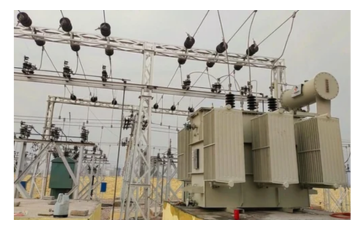
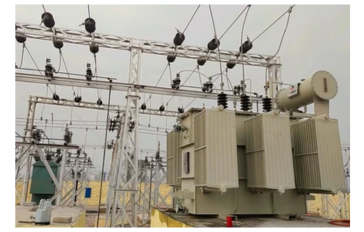
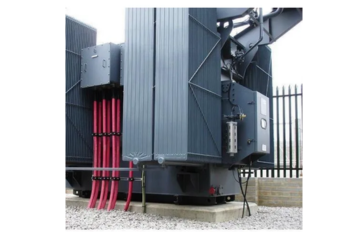
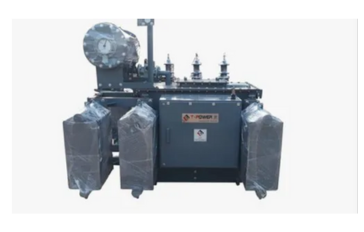
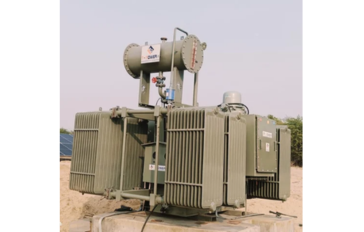
A power distribution transformer is an essential component of electrical power systems, playing a critical role in the final step of voltage transformation before electricity is delivered to end-users. Designed primarily to step down high-voltage electricity from transmission lines to a lower, usable voltage for residential, commercial, or industrial consumption, distribution transformers are vital for ensuring safe and efficient power delivery. With the global emphasis shifting toward energy efficiency and grid modernization in 2025, distribution transformers have evolved significantly to meet rising energy demands and environmental standards. Modern distribution transformers now incorporate advanced technologies like smart monitoring systems, Internet of Things (IoT) connectivity, and eco-friendly insulating materials, improving their reliability, safety, and performance.A
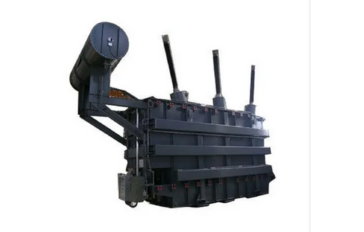
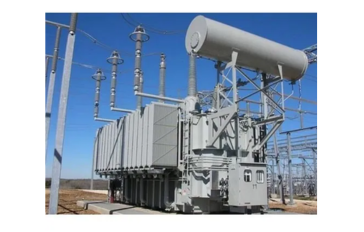
Typically installed on utility poles, pads, or underground vaults, power distribution transformers operate at voltages below 33 kV in most systems. These transformers are categorized into single-phase and three-phase units, with three-phase transformers being common in industrial areas and single-phase used for residential applications. The core of a transformer is made of laminated silicon steel to reduce energy losses, while the windings are usually copper or aluminum. Newer models also utilize amorphous metal cores that significantly reduce no-load losses, aligning with energy efficiency goals.
The integration of smart grid infrastructure has revolutionized the role of distribution transformers. Smart transformers are now capable of real-time data collection, remote fault detection, load management, and predictive maintenance. This not only enhances grid reliability but also helps in minimizing unplanned outages. Furthermore, the use of biodegradable ester fluids as an alternative to traditional mineral oils is gaining popularity due to their fire-resistant and environmentally safe characteristics.
Governments and utilities worldwide are investing heavily in upgrading aging transformer infrastructure as part of energy transition and electrification efforts. With the increasing integration of renewable energy sources such as solar and wind, distribution transformers must adapt to bi-directional power flow, voltage fluctuations, and variable load conditions. Consequently, future-ready transformers are being designed with load-tap changers, voltage regulators, and better surge protection to accommodate these dynamic challenges.
From an economic standpoint, the initial cost of installing high-efficiency distribution transformers may be higher, but the long-term savings through reduced energy losses and maintenance make them a viable investment. In developing countries, rural electrification schemes are also driving demand for compact and cost-effective transformers capable of operating in diverse climatic conditions.
In conclusion, the power distribution transformer is more than just a device for voltage regulation—it is a linchpin in the global energy ecosystem. As power grids become more intelligent and decentralized, the role of the transformer will continue to expand. Innovations in materials, digital monitoring, and eco-friendly design are ensuring that these devices remain efficient, reliable, and aligned with the demands of modern power distribution networks. As we move forward in the age of clean energy and smart cities, the evolution of distribution transformers will be key to powering the future sustainably.