Electrical Transformer
Power transformers play a vital role in the transmission and distribution of electrical energy across long distances. As a key component in the electrical transformer family, a power transformer is designed primarily to step up (increase) or step down (decrease) voltage levels between the generating stations and the load centers. Typically used in high-voltage transmission networks, power transformers ensure minimal energy losses, high efficiency, and stable voltage regulation during the transfer of electric power.A
The latest advancements in the field of power transformers have been centered around improving energy efficiency, digital monitoring, and reducing environmental impact. Modern power transformers are now equipped with smart sensors and IoT-based technologies that enable real-time condition monitoring. These digital features help in predicting faults, enhancing the lifespan of the equipment, and reducing downtime. For instance, innovations such as smart bushings, dissolved gas analysis sensors, and remote diagnostic systems are becoming increasingly common in next-generation power transformers.
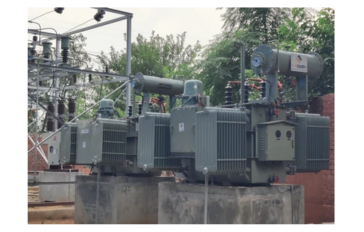
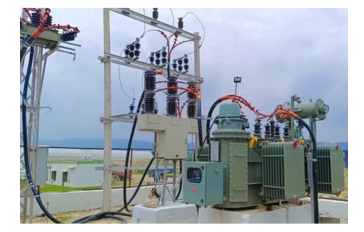
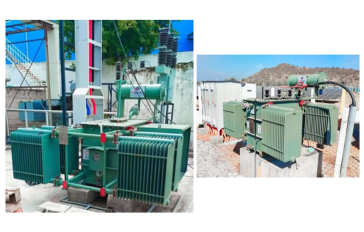
Power transformers are usually rated above 200 MVA and operate at very high voltages—often 400 kV or more. Their main components include windings, core, conservator tank, breather, Buchholz relay, and cooling systems (like oil or air-based cooling). The transformer core, made of laminated silicon steel, is designed to minimize core losses (also known as iron losses), while the copper or aluminum windings are optimized to reduce copper losses. The cooling systems are crucial, especially in large power transformers, to prevent overheating and maintain operational reliability.
One of the key challenges today is the increasing global demand for electricity and the parallel need for sustainable energy systems. As more renewable energy sources like solar and wind are integrated into the grid, power transformers are being developed with flexible and adaptive designs. They are now expected to manage variable power inputs, grid fluctuations, and the intermittent nature of renewable energy sources. In addition, dry-type and eco-friendly transformers using biodegradable insulating fluids are gaining popularity due to their lower environmental impact.
From an infrastructure standpoint, power transformers are indispensable in substations, grid stations, and power plants. They help manage voltage levels safely and efficiently, which is critical for both industrial operations and residential consumption. Their failure can result in massive outages, economic losses, and equipment damage. Therefore, regular testing, maintenance, and timely upgrades are essential.
In conclusion, power transformers are the backbone of the modern electrical power system. With the rapid shift towards smart grids and renewable integration, the future of power transformers is leaning towards digitization, sustainability, and enhanced performance. Engineers and manufacturers continue to innovate to meet the rising energy demands while adhering to environmental regulations and technological standards. Investing in high-quality, modern power transformers is crucial for ensuring uninterrupted power supply and long-term grid stability.