March 04,2025 By tpower
March 04,2025 By tpower
Electrical equipment, ranging from transformers to switchgear, plays a pivotal role in ensuring the seamless operation of industrial and residential electrical systems. However, when these devices are not properly maintained, the risks of malfunctioning increase significantly. This can lead to costly repairs, unscheduled downtime, and, most importantly, safety hazards that could endanger lives. Regular and thorough maintenance is essential to ensure that electrical equipment functions efficiently and safely.
Neglecting the upkeep of electrical equipment poses several dangers, including electrical fires, equipment failure, and even electrocution. When transformers, circuit breakers, or other essential components are not serviced regularly, they can malfunction, leading to dangerous situations. These failures can cause unexpected power outages, which in turn can damage sensitive equipment or lead to severe productivity losses in industries. One of the most significant risks of poor maintenance is the potential for fires, which can result in massive damage to property and infrastructure.
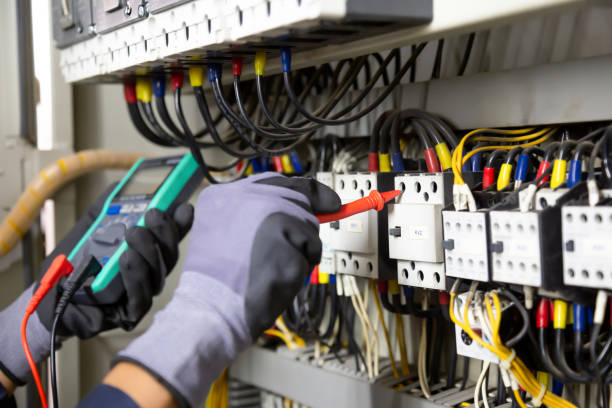
The best way to avoid the dangers of poorly maintained electrical equipment is through proactive maintenance. Regular inspection, cleaning, and testing can identify potential problems before they escalate into hazardous situations. Proper maintenance can not only extend the lifespan of your equipment but also enhance the overall efficiency of your electrical systems.
Transformers and switchgear are at the heart of electrical systems, handling the distribution and management of power. Poor maintenance of these critical components can lead to system failures, downtime, and even catastrophic events. A transformer’s performance depends heavily on factors such as insulation, oil levels, and cooling systems. Regular checks can identify early signs of failure, preventing breakdowns. Similarly, switchgear needs to be inspected for signs of wear, rust, or faulty breakers, which can lead to major safety issues.
In one notable incident, a transformer failure in an industrial complex caused a massive power outage, affecting production for several days. Upon investigation, it was found that the transformer’s cooling system had not been maintained, leading to overheating. A proper inspection could have identified this issue well in advance, saving both time and money in repairs. This situation could have been avoided with routine maintenance practices and timely intervention.
Maintaining electrical equipment is not only essential for ensuring the safety and efficiency of your electrical systems but also for avoiding costly repairs and potential hazards. From transformers to switchgear, every piece of electrical equipment needs attention to prevent unforeseen failures and risks. By adhering to regular maintenance schedules, inspecting components for wear, and upgrading old equipment, you can significantly reduce the dangers posed by poorly maintained electrical systems and ensure long-term operational success.

