March 15,2026 By T Power
March 15,2026 By T Power
In today’s rapidly evolving energy landscape, solar power plants are becoming a cornerstone of sustainable electricity generation. As countries move towards renewable energy goals, the role of advanced electrical infrastructure becomes increasingly critical. Among the most essential components in a solar power system is the solar transformer, which ensures efficient energy conversion, transmission, and distribution. At T Power Transformer, we specialize in designing high-performance solar transformers that significantly improve efficiency, reduce energy losses, and enhance overall plant reliability.
Solar transformers are specifically engineered to handle the unique characteristics of solar energy systems, including variable loads, high ambient temperatures, and fluctuating voltage levels. By integrating cutting-edge technology, these transformers play a crucial role in optimizing the performance of solar power plants and ensuring maximum return on investment.
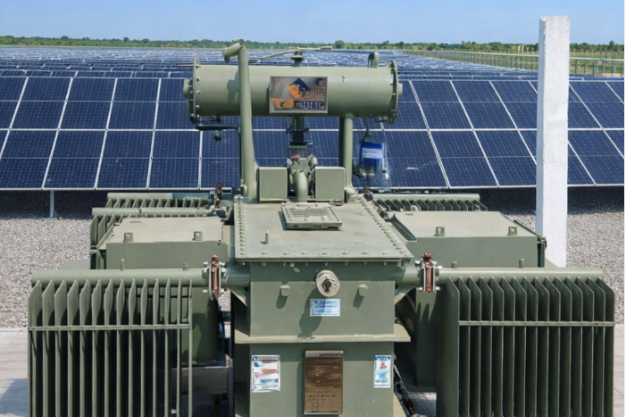
A solar transformer is a specialized electrical device used in solar power plants to step up or step down voltage levels generated by photovoltaic (PV) systems. Since solar panels generate DC electricity, it is first converted into AC using inverters. The transformer then adjusts the voltage to suitable levels for transmission or grid integration.
Unlike conventional transformers, solar transformers are designed to handle:
Variable power generation due to sunlight fluctuationsEfficiency is the backbone of any solar power plant. Even a small percentage of energy loss can result in significant financial impact over time. Solar transformers directly influence the efficiency of power conversion and transmission.
Key factors affecting solar plant efficiency include:
Energy losses during transmissionBy using high-quality solar transformers, plant operators can minimize these losses and ensure optimal energy delivery to the grid.
1. Reduced Energy Losses: Modern solar transformers are designed with low-loss cores and advanced winding techniques that minimize both no-load and load losses. This ensures maximum power transfer from solar panels to the grid.
2. Voltage Optimization: Solar transformers maintain stable voltage levels despite fluctuations in solar generation. This stability enhances the efficiency of inverters and prevents energy wastage.
3. Handling Harmonics: Solar inverters generate harmonic distortions, which can reduce efficiency. Solar transformers are engineered to withstand and minimize these harmonics, ensuring smooth power flow.
4. Thermal Efficiency: High-quality insulation and cooling systems prevent overheating, thereby maintaining consistent performance and extending transformer lifespan.
5. Load Management: Solar transformers efficiently distribute electrical loads, preventing overloading and improving system reliability.
Different types of transformers are used in solar power plants depending on system requirements:
Inverter Duty Transformers (IDT): Specifically designed to connect inverters to the grid.Modern solar transformers come equipped with advanced features that enhance performance:
High efficiency core materialsGrid integration is one of the most critical aspects of solar power generation. Solar transformers ensure seamless synchronization between the solar plant and the utility grid.
They help in:
Maintaining voltage stabilityInvesting in premium solar transformers offers numerous advantages:
Higher Energy Output: Reduced losses lead to increased power generation.Despite their benefits, solar transformers face certain challenges:
Extreme weather conditionsHowever, with proper design and maintenance, these challenges can be effectively managed.
The solar industry is evolving rapidly, and transformer technology is advancing accordingly. Some of the latest innovations include:
Smart IoT-enabled transformersThese innovations are helping solar power plants achieve higher efficiency and sustainability.
A large-scale solar power plant partnered with T Power Transformer to upgrade its transformer infrastructure. The results were impressive:
30% reduction in energy lossesT Power Transformer is a trusted name in transformer manufacturing, offering advanced solutions for solar power plants. Our expertise includes:
ISO-certified manufacturing processesTo ensure optimal performance, follow these maintenance practices:
Regular inspection and testingThe future of solar transformers looks promising as renewable energy adoption continues to grow. With advancements in technology, transformers will become more efficient, intelligent, and environmentally friendly.
Future trends include:
Fully automated smart transformersSolar transformers play a vital role in improving the efficiency and reliability of solar power plants. From reducing energy losses to ensuring smooth grid integration, these transformers are essential for maximizing solar energy output. Investing in high-quality solar transformers from T Power Transformer can significantly enhance the performance and profitability of solar projects.
Looking to improve your solar power plant efficiency? Contact T Power Transformer today for customized solar transformer solutions designed to meet your specific needs.

