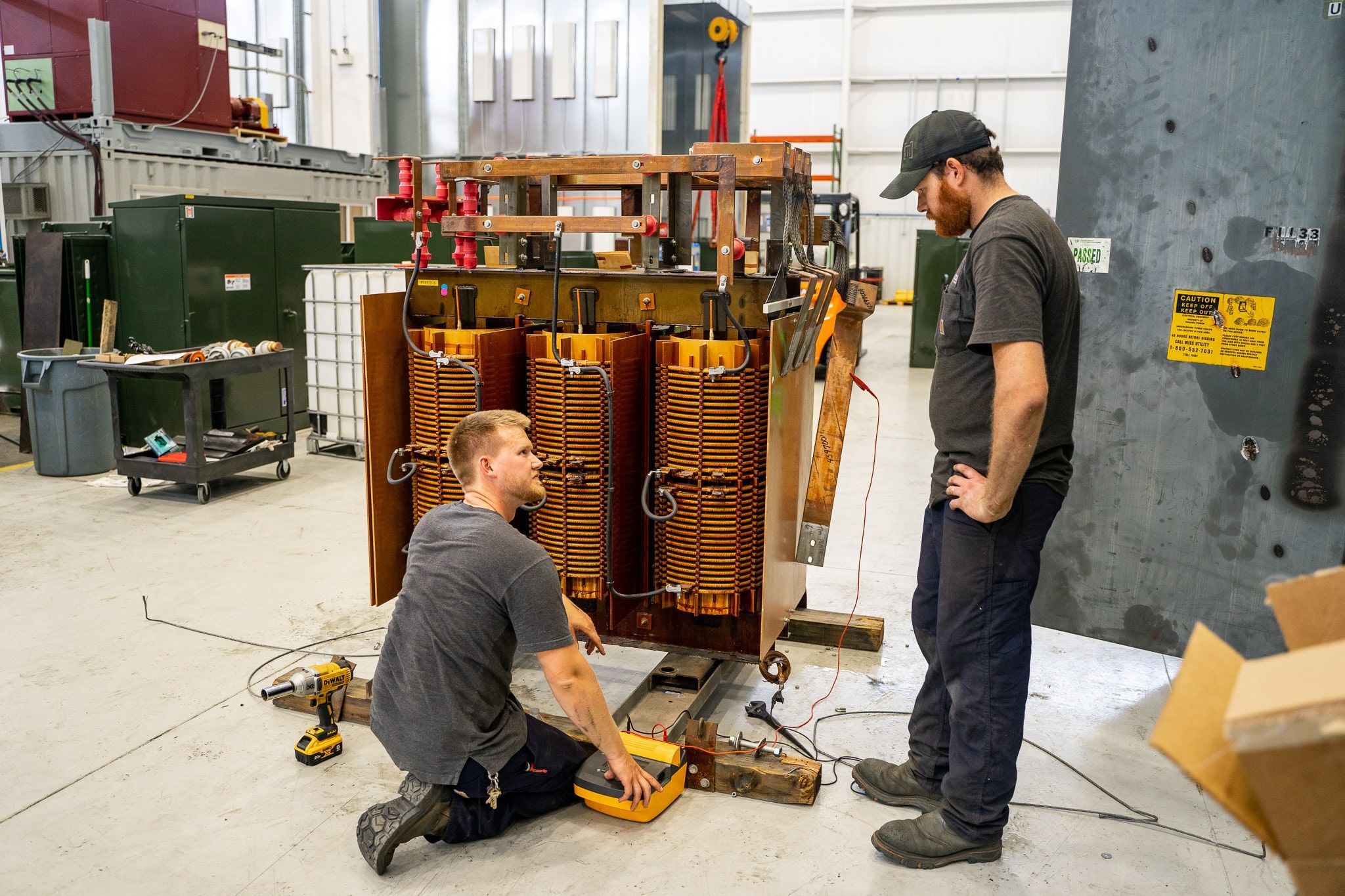
Introduction: Ensuring Transformer Quality
Transformers are critical components in electrical power distribution, ensuring smooth energy flow from generation to consumption. To maintain reliability and efficiency, rigorous testing and inspection are necessary at every stage of manufacturing and operation.
Why Transformer Testing is Crucial
Transformer testing ensures that each unit meets industry standards and operates without faults. Quality assurance prevents failures, reduces downtime, and enhances electrical safety in industrial and commercial applications.
Types of Transformer Testing
- Routine Testing: Conducted on every transformer to verify basic electrical parameters.
- Type Testing: Ensures transformers meet performance and safety standards.
- Special Testing: Customized testing for unique operational requirements.
- Diagnostic Testing: Used for troubleshooting potential issues in working transformers.
Key Quality Checks During Inspection
- Insulation Resistance Test: Checks the integrity of transformer insulation.
- Oil Quality Analysis: Evaluates the condition of transformer oil to detect contamination.
- Load Loss & Efficiency Test: Measures power losses under different load conditions.
- Partial Discharge Test: Identifies potential failure points within insulation.
- Impulse Voltage Test: Simulates lightning strikes to test voltage endurance.
Standards Governing Transformer Testing
Quality assurance for transformers is governed by various national and international standards:
- IEC 60076 - International standard for power transformers.
- IS 1180 - Indian Standard for distribution transformers.
- ANSI/IEEE C57 - North American standard for power transformers.
- BIS Certification - Ensures compliance with safety and efficiency norms.
Benefits of Rigorous Testing & Inspection
- Improved Reliability: Reduces unexpected failures and costly downtime.
- Enhanced Safety: Ensures safe operation in high-voltage environments.
- Higher Efficiency: Minimizes energy losses, improving overall performance.
- Longer Equipment Life: Prevents premature breakdowns, reducing replacement costs.
Best Practices for Transformer Maintenance
Regular maintenance helps extend the lifespan of transformers. Key steps include:
- Periodic oil testing and filtration to maintain insulation quality.
- Visual inspections to identify signs of overheating or damage.
- Monitoring load conditions to prevent overloading and efficiency loss.
- Timely repairs and component replacements to avoid critical failures.
Conclusion
Transformer testing and inspection are essential to ensure the reliability, efficiency, and safety of power systems. Adhering to industry standards and best practices helps industries avoid costly failures and optimize electrical performance.