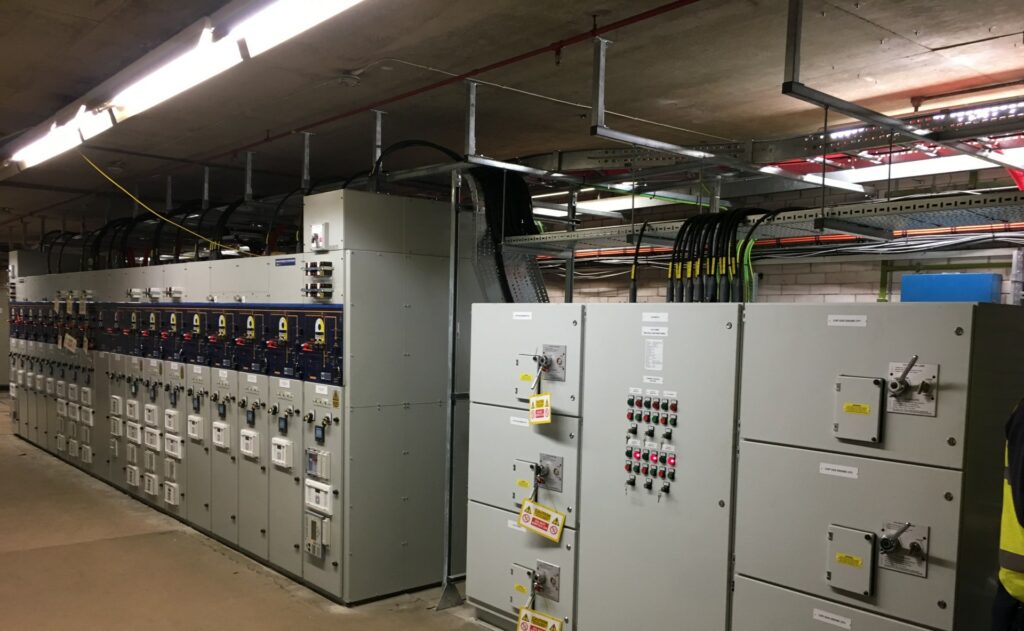
Introduction to Switchgears
Switchgears are essential components in electrical power systems, used to control, protect, and isolate electrical equipment. They ensure the safe and efficient transmission of electricity by preventing overloads and short circuits.
Understanding Switchgear Functions
Switchgears are responsible for disconnecting electrical circuits in case of faults, allowing maintenance without disrupting the entire system. They improve the reliability and safety of electrical grids.
Types of Switchgears
- Low Voltage (LV) Switchgear: Operates below 1kV and is used in residential and commercial applications.
- Medium Voltage (MV) Switchgear: Functions between 1kV to 36kV, commonly used in industrial power distribution.
- High Voltage (HV) Switchgear: Handles voltages above 36kV, ensuring safe transmission of electricity over long distances.
Key Components of Switchgear Systems
- Circuit Breakers: Automatically interrupt power flow in case of faults.
- Fuses: Provide overcurrent protection by breaking the circuit during excess current flow.
- Relays: Detect electrical abnormalities and trigger protective actions.
- Disconnect Switches: Isolate equipment for maintenance and safety.
Applications of Switchgears
Switchgears are widely used in various sectors, including:
- Power Generation: Protects generators and transformers from faults.
- Industrial Plants: Ensures safe and efficient operation of machinery.
- Commercial Buildings: Manages electrical distribution and prevents disruptions.
- Renewable Energy: Supports the integration of solar and wind power into the grid.
Enhancing Switchgear Efficiency
Regular maintenance, advanced monitoring systems, and using high-quality materials improve switchgear performance and longevity.
Conclusion
Switchgears are crucial for maintaining electrical safety and efficiency. Understanding their types and applications helps in selecting the right switchgear for various power distribution needs.