March 10,2026 By T Power
March 10,2026 By T Power
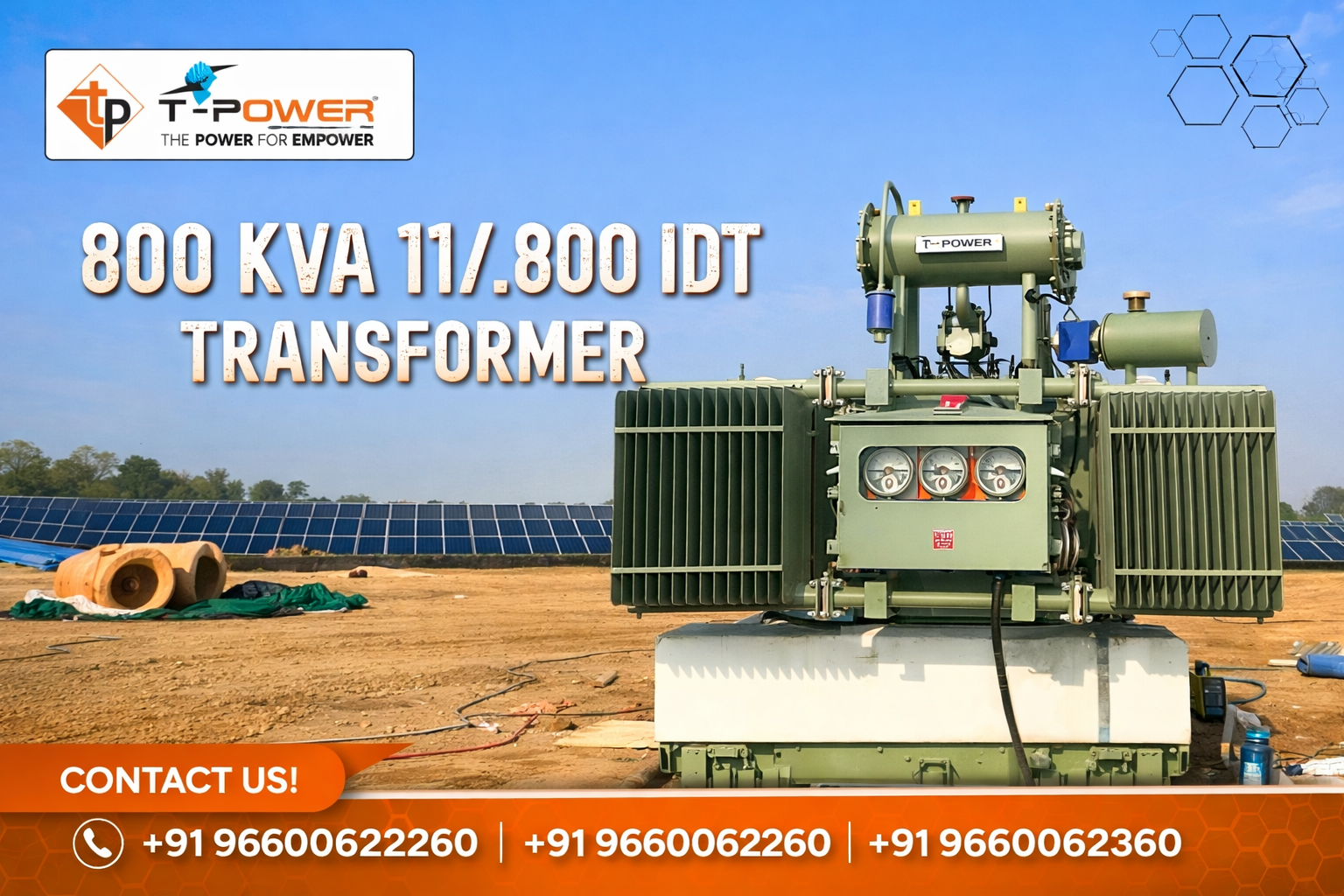
Rajasthan has become one of India’s largest solar energy hubs due to its vast desert landscape, abundant sunlight, and strong government initiatives supporting renewable energy development. Large-scale solar parks in cities like Bikaner, Jodhpur, Jaisalmer, Barmer, and Jodhpur generate thousands of megawatts of electricity that power industries and households across the country. At the heart of these solar power plants lies a critical electrical component – the solar power transformer. These transformers ensure that electricity generated from solar panels is efficiently stepped up and transmitted to the power grid.
However, the extreme climate conditions in Rajasthan, including high temperatures, dust storms, and fluctuating loads, can significantly impact transformer performance. Without proper maintenance, transformers can experience overheating, insulation failure, oil degradation, and unexpected breakdowns that disrupt solar power generation. Therefore, adopting the best maintenance practices for solar power plant transformers is essential to ensure reliability, efficiency, and long service life.
At T Power Transformer, we specialize in manufacturing high-quality solar inverter duty transformers, power transformers, and distribution transformers designed specifically for renewable energy applications. In this comprehensive guide, we will explore the most effective maintenance practices that solar power plant operators in Rajasthan should follow to keep their transformers operating safely and efficiently.
Transformers in solar plants operate continuously and handle significant electrical loads. Their primary role is to step up the voltage generated by solar inverters to transmission levels suitable for the grid. If a transformer fails, it can halt energy transmission, causing financial losses and operational disruptions.
Regular transformer maintenance provides several benefits:
Reliable energy transmission from solar plantsConsidering Rajasthan’s harsh environmental conditions, transformer maintenance becomes even more critical. Preventive maintenance not only safeguards equipment but also ensures maximum solar power generation efficiency.
Before discussing maintenance practices, it is important to understand the types of transformers used in solar power plants. These transformers are designed to handle variable loads, harmonics, and high ambient temperatures typical of solar installations.
Solar inverter duty transformers convert the low voltage output from solar inverters to higher voltage levels required for grid integration. These transformers must withstand harmonic distortion and fluctuating loads.
Power transformers are used in large solar parks to step up voltage levels for transmission over long distances.
Distribution transformers supply power from substations to local networks or nearby industrial facilities.
Each type requires specialized maintenance procedures to ensure optimal performance in solar energy applications.
Solar power plants in Rajasthan face several environmental challenges that directly affect transformer reliability. These factors make maintenance even more essential.
High Ambient TemperatureTo address these challenges, solar plant operators must implement systematic transformer maintenance strategies.
The first and most basic maintenance step is routine visual inspection. Regular inspections help detect early signs of transformer problems before they become major issues.
During inspection, operators should check:Visual inspections should ideally be performed weekly or monthly depending on plant operating conditions.
Transformer oil plays a crucial role in insulation and cooling. Over time, oil quality may deteriorate due to heat, oxidation, or contamination. Oil testing helps determine transformer health.
Important transformer oil tests include: Dissolved Gas Analysis (DGA) – Detects internal faults like overheating or insulation breakdown.Periodic oil analysis allows plant operators to detect potential issues early and take corrective actions.
Transformers generate heat during operation. Efficient cooling systems ensure that internal temperatures remain within safe limits. In solar plants, cooling systems must be carefully maintained due to high ambient temperatures.
Cooling maintenance practices include: Cleaning radiator fins regularlyProper cooling system maintenance significantly reduces the risk of transformer overheating.
Electrical tests are essential to assess transformer condition and performance. These tests help identify insulation weaknesses, winding faults, or electrical imbalances.
Common transformer electrical tests include: Insulation resistance testingThese diagnostic procedures help ensure that transformers operate safely and efficiently.
Dust accumulation is a major concern in Rajasthan’s desert regions. Dust on transformer components can cause insulation failures and reduce cooling efficiency.
Maintenance teams should implement the following measures: Regular cleaning of transformer surfacesThese simple steps can significantly enhance transformer reliability in desert climates.
Solar power plants experience fluctuating loads due to changing sunlight conditions. Monitoring transformer load levels ensures the equipment operates within safe limits.
Key parameters to monitor include: Voltage levelsModern monitoring systems and smart sensors allow operators to track these parameters in real time.
Preventive maintenance is the most effective strategy to reduce transformer failures. Instead of waiting for problems to occur, maintenance activities are scheduled at regular intervals.
A typical preventive maintenance schedule may include: Monthly visual inspectionsThis systematic approach ensures long-term transformer reliability.
Safety is a critical factor during transformer maintenance. Technicians must follow strict safety procedures to avoid electrical hazards.
Important safety measures include: Disconnecting power supply before maintenanceThese practices protect workers and prevent accidents.
Modern solar power plants increasingly use smart monitoring systems to track transformer performance. These systems use IoT sensors and remote monitoring tools to detect faults early.
Smart monitoring benefits include: Real-time transformer performance monitoringAt T Power Transformer, our advanced transformer designs support smart monitoring technologies for improved reliability.
T Power Transformer is a trusted manufacturer of high-performance transformers for renewable energy projects across India. Our transformers are designed to meet the demanding conditions of solar power plants in Rajasthan.
Our strengths include: ISO 9001:2015 certified manufacturingOur manufacturing facility in Jaipur produces transformers engineered for durability, efficiency, and long service life in renewable energy projects.
Solar energy is transforming Rajasthan into one of India’s leading renewable energy states. To ensure uninterrupted power generation, solar power plant transformers must operate reliably under challenging environmental conditions. Proper maintenance practices such as routine inspections, oil testing, cooling system management, and smart monitoring are essential for maintaining transformer efficiency and longevity.
By implementing these best maintenance practices, solar plant operators can significantly reduce downtime, increase equipment lifespan, and maximize energy production.
If you are looking for reliable transformer solutions for solar energy projects, T Power Transformer offers advanced and customized transformers designed for renewable power applications.
For expert guidance on solar power plant transformers and maintenance solutions, visit T Power Transformer today and connect with our experienced engineering team.

