April 24,2025 By T Power
April 24,2025 By T Power
As the world shifts towards sustainable energy solutions, solar power has emerged as a leading contender in the renewable energy sector. Central to the efficient operation of solar power plants are components that ensure seamless energy conversion and transmission. One such critical component is the Inverter Duty Transformer (IDT). This article delves into the intricacies of IDTs, their role in solar installations, and why they are indispensable for modern solar power systems.
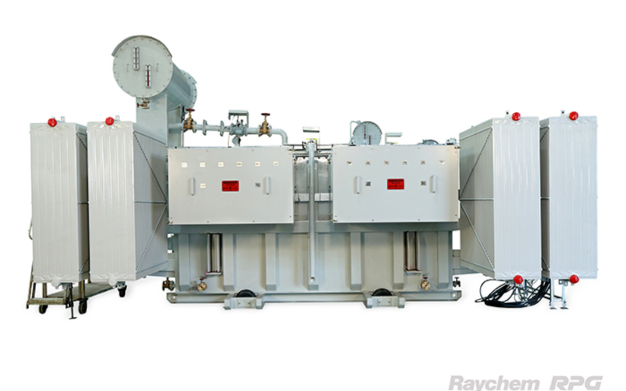
An Inverter Duty Transformer is specifically designed to handle the unique electrical characteristics associated with inverter outputs in solar power systems. Unlike conventional transformers, IDTs are built to manage high-frequency switching, voltage fluctuations, and harmonic distortions that are typical in inverter operations.
Solar power plants rely on inverters to convert the direct current (DC) generated by solar panels into alternating current (AC) suitable for grid transmission. The output from these inverters is characterized by high-frequency switching and potential voltage spikes, which can be detrimental to standard transformers. IDTs are engineered to handle these specific challenges, ensuring:
Efficient Energy Transmission: By managing harmonics and voltage irregularities, IDTs facilitate smooth energy flow to the grid.| Feature | Inverter Duty Transformer (IDT) | Conventional Transformer |
|---|---|---|
| Harmonic Handling | Designed to manage high harmonic content | Not optimized for harmonic-rich environments |
| Thermal Performance | Enhanced cooling systems for high temperatures | Standard cooling mechanisms |
| Voltage Regulation | Superior voltage regulation capabilities | Limited voltage regulation |
| Insulation | High-grade insulation materials | Standard insulation |
When integrating IDTs into solar power systems, several design aspects must be considered to ensure optimal performance:
Cooling Mechanisms: Depending on the size and capacity, IDTs may employ air or oil-based cooling systems to dissipate heat effectively.While IDTs offer numerous advantages, their implementation in solar power systems can present challenges:
Cost: IDTs can be more expensive than conventional transformers due to their specialized design. However, the long-term benefits and reduced maintenance costs often offset the initial investment.At T Power Transformer, we specialize in designing and manufacturing top-tier Inverter Duty Transformers tailored for solar power applications. Our commitment to quality and innovation ensures that our transformers meet the highest industry standards, providing reliable and efficient performance.
In the evolving landscape of renewable energy, ensuring the reliability and efficiency of solar power systems is paramount. Inverter Duty Transformers play a crucial role in achieving these objectives by addressing the unique challenges posed by inverter outputs. Investing in high-quality IDTs not only enhances the performance of solar plants but also contributes to the broader goal of sustainable energy generation.
For expert guidance and top-of-the-line transformer solutions, reach out to T Power Transformer today.

